In short
- Zones 1-5 are the core, featuring lakes and ancient ruins.
- Zones 6-10 are buffer zones with rugged, hilly terrain.
- Core zones close from July through September, but buffer zones remain open.
In this article
When the government portal opens 90 days in advance, you must select your specific safari zone. The park spans 1,334 square kilometers (515 sq mi), and management uses 10 zones to regulate ecotourism. During your 3.5-hour safari, your vehicle must stay within its assigned zone.
What makes Zones 1-5 the core area?
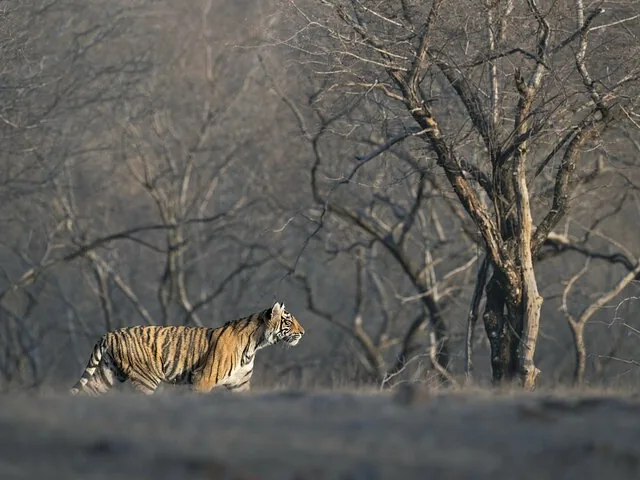
Zones 1 through 5 contain the historic heart of the park, known for scenic lakes and famous tiger territories.
These areas feature the ruins of Raj Bagh and water bodies like Padam Talab in Core Safari Zones. Zone 3 permits sell out extremely fast because tigers frequently rest near the water and ancient arches. Zone 4 offers dense forest cover where you might spot sloth bears and crocodiles.
What are the buffer zones (6-10)?
Zones 6 through 10 are newer, hillier regions added to accommodate more visitors.
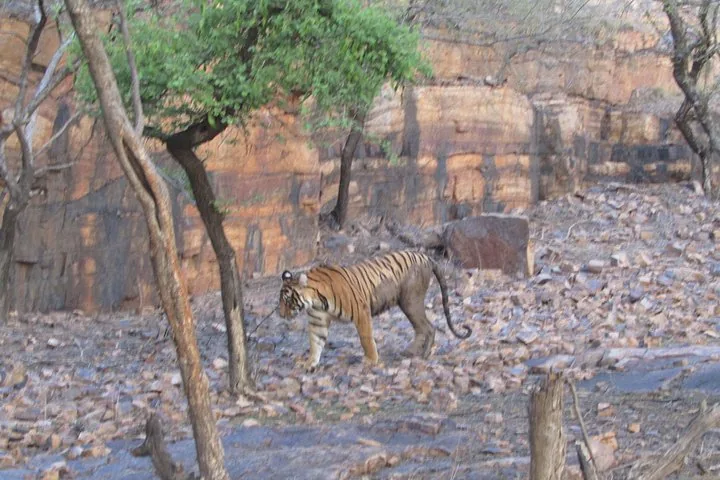
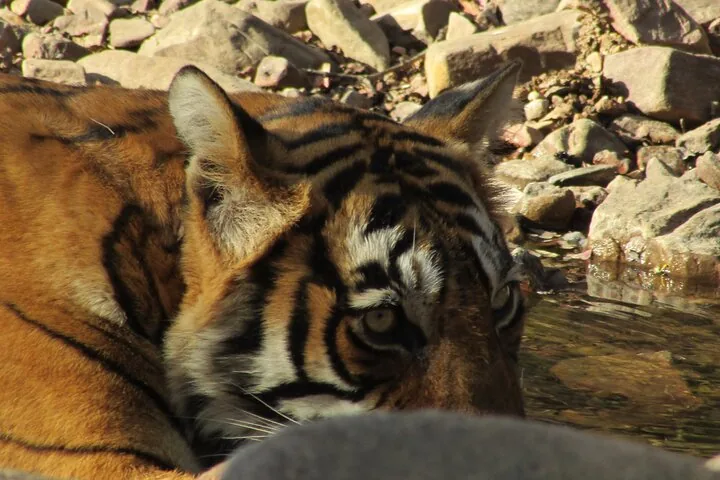
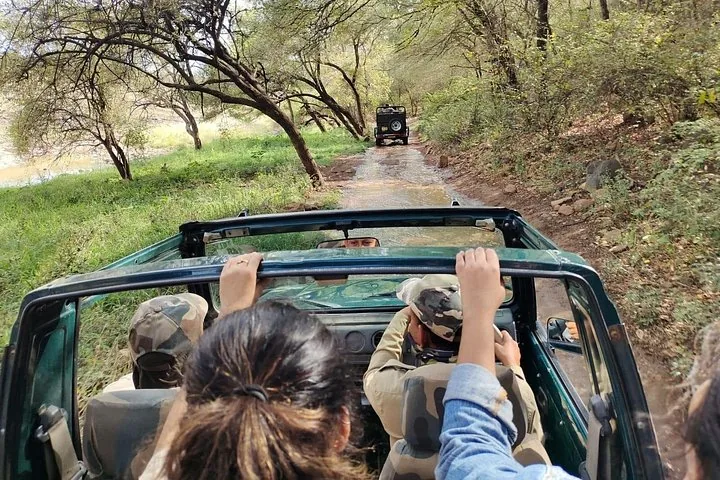
These areas offer excellent wildlife tracking in varied terrain. Zone 6 shares a boundary with Zone 1 and provides high chances of spotting tigers and leopards. Zones 8 and 10 feature rugged hills and steep tracks. Expect a bumpier ride on these trails, but you will often encounter fewer crowds.
Which zones stay open during the monsoon?
Only buffer zones (6-10) remain open to visitors from July through September.
The core zones (1-5) close completely during these monsoon months. If you visit late in the summer, you will be restricted to the hilly tracks of the buffer areas. Zone 6 is a popular choice during this period because it borders the core territory.
Which zone is best for tiger sightings?
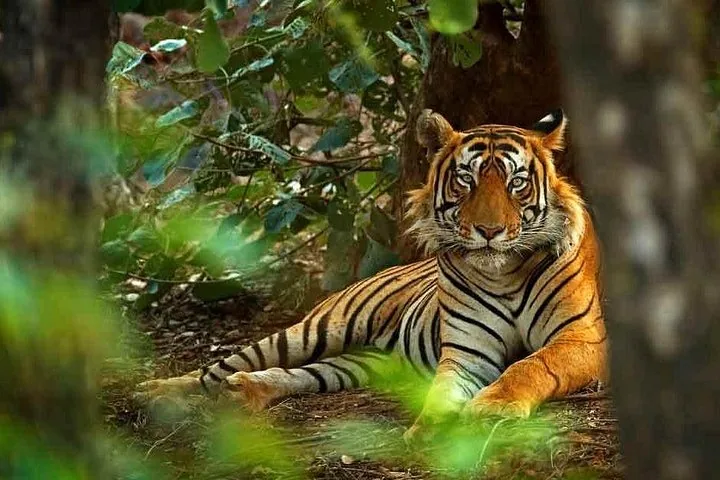
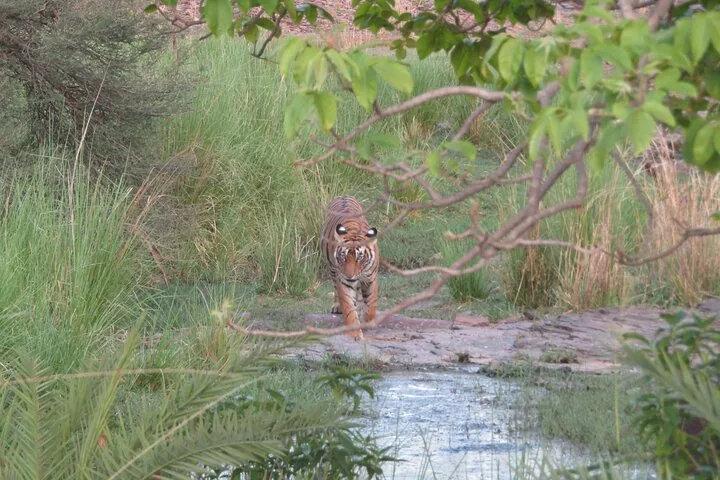
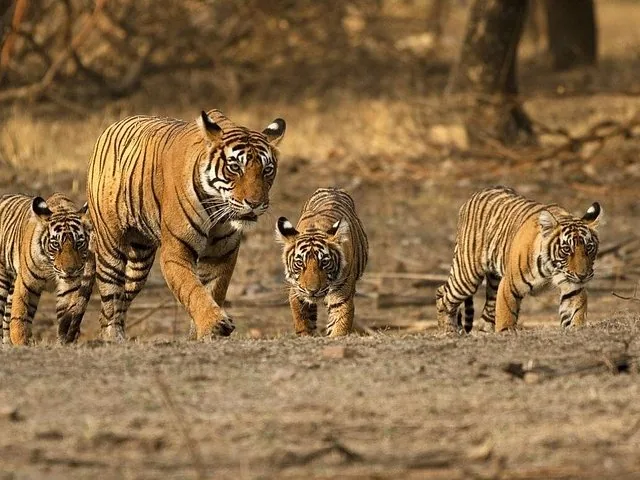
Tigers move freely across all 10 zones, but Zones 3, 4, and 6 consistently report strong sightings.
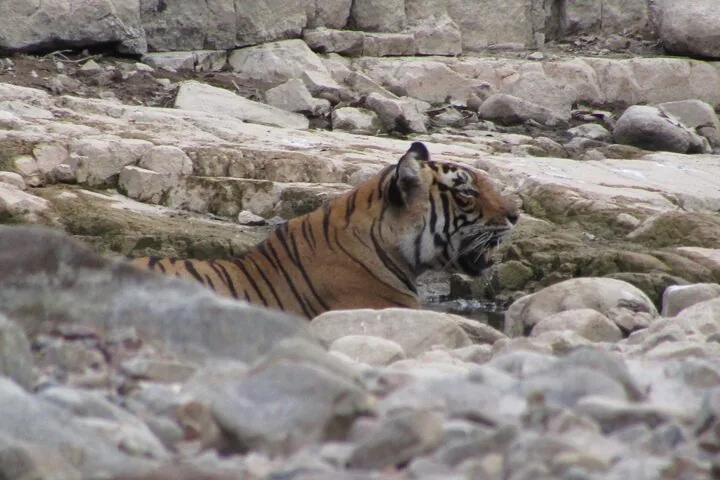
Tigers establish territories that span multiple zones. While Zone 3 is famous for sightings near lakes, Zone 6 offers excellent opportunities in the hills. April and May are the peak months for sightings across the park, as tigers gather near shrinking waterholes.
Where can I see leopards and sloth bears?
Zone 8 is a favorite for leopards, while Zone 4 is excellent for sloth bears.
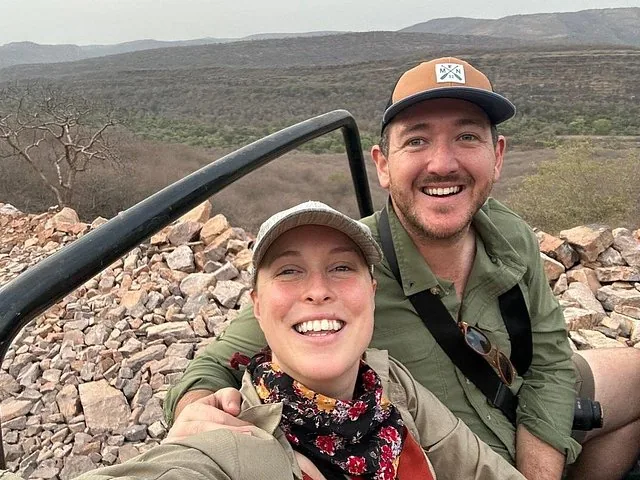
Leopards often frequent the steep rocky cliffs of Zone 1 and the rugged hills of Zone 8. Sloth bears prefer the denser, wetter sections of Zone 4. You can also spot mugger crocodiles near the lakes in Zones 3 and 4.
Do vehicles differ by zone?
No, both 6-seater Gypsy jeeps and 20-seater Canters operate across all 10 zones.
You must choose your vehicle type when you book your ticket. Read Jeep vs Canter to decide which suits your group. The core zones often sell out of Gypsy permits faster than the buffer zones.
Questions travellers ask
Which safari zone is best for tiger sighting in Ranthambore?
Zones 3, 4, and 6 are highly sought after for tiger sightings. Zone 3 features prominent lakes, while Zone 6 shares a boundary with the core area.
Are tigers guaranteed to be seen in Ranthambore?
No, tiger sightings are never guaranteed. The park covers 1,334 square kilometers (515 sq mi), and wild animals move freely. April and May offer the highest chances.
How long is the jungle safari in Ranthambore?
Each safari shift lasts approximately 3.5 hours. Morning and afternoon slots are available, and you must remain inside your vehicle at all times.